
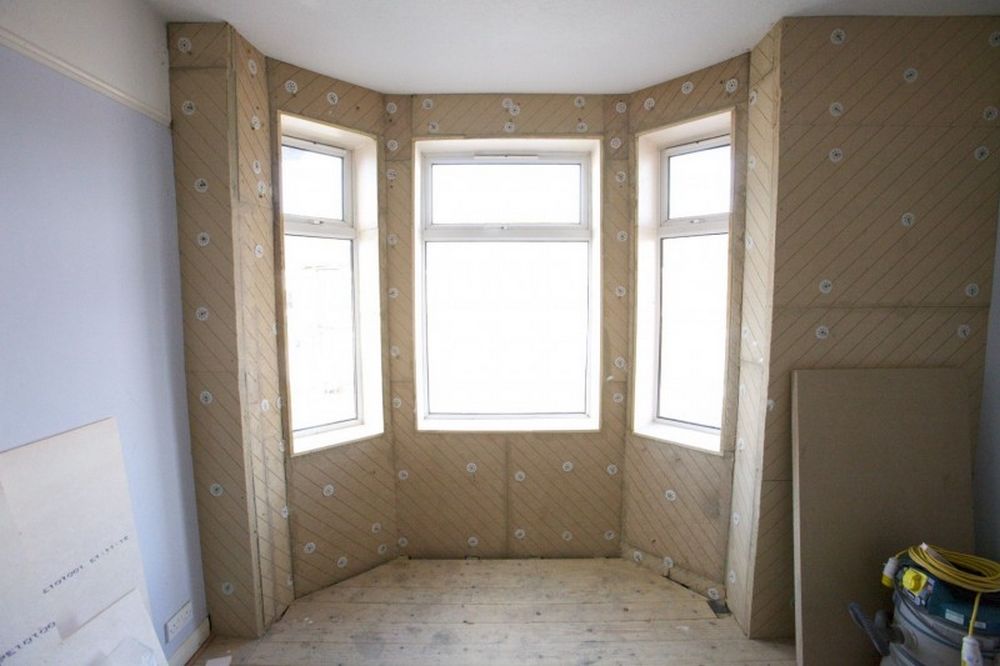
Around half of all the heat lost from a typical solid-walled home escapes through the walls. Insulating these walls will keep the warmth inside for longer and greatly reduce your heating bills.
Solid wall insulation may be suitable for homes made from brick, stone or concrete construction, and works by adding a layer of thermal material to the existing inside wall. This will reduce the size of your rooms a bit, though you may find if a cold wall is made warmer you actually increase the amount of usable space in a room.
Internal solid wall insulation is particularly appropriate where you need to maintain the external appearance of the building (e.g. in a heritage context).
Lower energy costs: If your home has poor insulation and air leaks, you could be spending much more than you need to on heating and cooling. It also means extra wear and tear on your heating system and air conditioner. Proper insulation and air sealing is the best way to prevent wasted energy and keep your home and energy bill in a comfortable, happy place.
More comfort: Insulation helps your home stay cool in the summer and warm in the winter, so you don’t have to crank up your heating or cooling system to the max just to get by. It gives you the best possible starting point to enjoy easy, efficient year-round comfort.
Resale value: If you’re planning on selling your home in the coming years, being able to tell prospective buyers that top-quality insulation is already in place and lowering the home’s operating costs can be a real selling point.
Less noise: Got a snorer in the house? Noisy neighbors? Live on a busy street? Insulation might not block everything out, but it definitely absorbs sound and can help make your home a quieter place to relax.
Improved environmental impact: Saving energy benefits your home, community and the environment. Improving your insulation is one of the best steps you can take to make a difference in terms of your home’s energy performance and carbon footprint.